
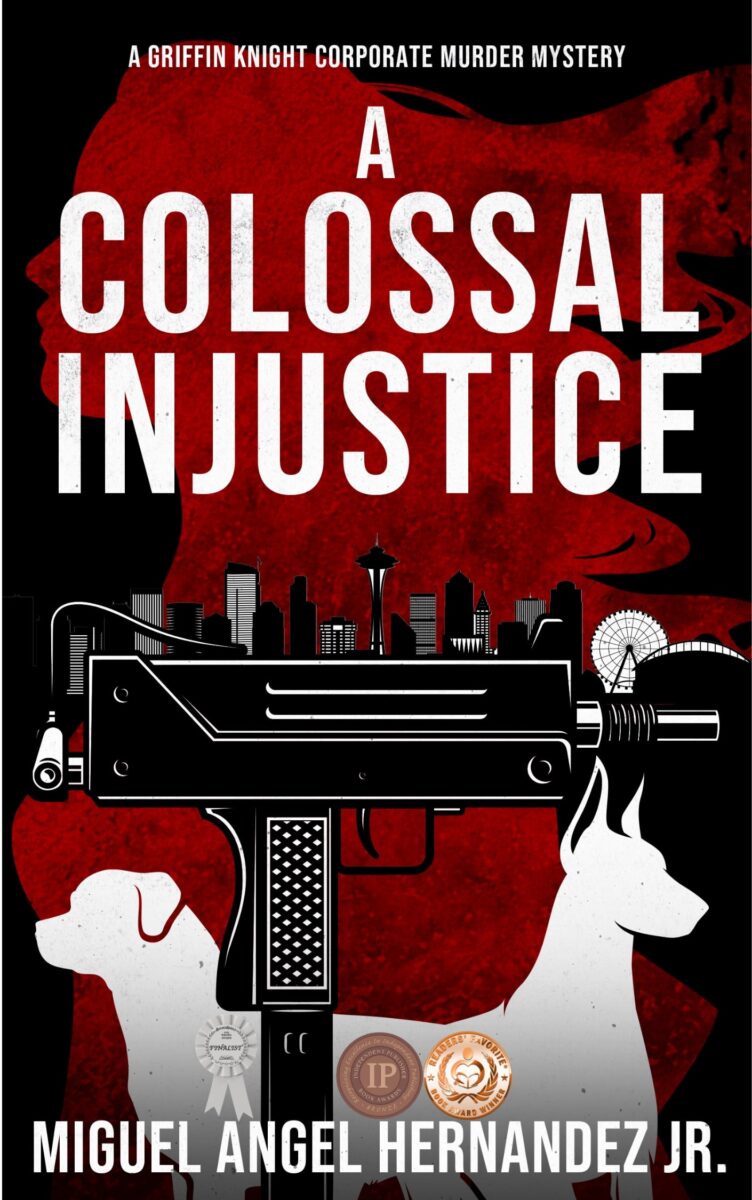
A Colossal Injustice isn’t just a whodunit—it’s a study of what happens when truth collides with corporate power and a lone detective refuses to let questions die.
When the personal meets the institutional
At the heart of A Colossal Injustice is a tension many contemporary thrillers explore: the collision between intimate human motive and sprawling institutional influence. What appears as a personal attack at first glance slowly reveals fingerprints that trace back to corporate corridors. That layering—how a single violent act can be both intensely personal and emblematic of systemic rot—drives the book’s emotional and moral urgency.
The stubbornness of a moral compass
Griffin Knight is the engine that keeps the story moving. He’s not infallible; he’s haunted by a career’s worth of choices and compromises. But his refusal to accept surface explanations becomes the narrative’s moral center. Detectives in fiction often function as truth-seekers; in this novel, that quest is complicated by power imbalances and fear. Griffin’s tenacity raises the question: What does it cost to demand answers when the answers threaten the powerful?
Corporate opacity and the modern city
Seattle in the story is more than a backdrop. It’s a city of glass towers and rapid economic change, where a megacorporation can shape neighborhoods and narratives. The novella looks at how corporations create their own ecosystems—legal buffers, private security, PR deflections—that make accountability difficult. Exploring these mechanisms is less commentary and more plot engine; the structures of corporate protection are the obstacles Griffin must navigate.
Grief, guilt, and community
Alongside institutional themes, the novel invests in human consequences: grief for those lost, guilt that haunts witnesses and investigators, and the fragile communities that try to hold each other together. These threads remind readers that behind every conspiracy theory and boardroom secret are real people affected by violence and secrecy.
Why these themes matter
Readers drawn to ethical complexity and contemporary relevance will find much to unpack. The story doesn’t offer easy answers; instead, it foregrounds the messy work of uncovering truth in a world where power obfuscates. For anyone interested in mysteries that ask ‘who benefits?’ as loudly as ‘who did it?’ A Colossal Injustice provides both suspense and a sharper look at the structures that shield wrongdoing.
Did you enjoy A Colossal Injustice? Please leave a review on Amazon and/or Goodreads.